MICHELLE HOCHKEPPEL
Artifacts
Artifacts are objects or relics we carry with us. They are historical, temporal, cultural. They provide insight into significant events or memories.
Please find some guiding principles of artifacts, musings, and quotations to set the stage
what do artifacts show us about human centric interaction?
How do artifacts aid us in adaptive work?
artifacts help us
- diagnose situations
- self-regulate
- energize through engagement
- inspire a collective purpose

“Between stimulus and response there is a space. In that space is our power to choose our response, in our response lies our growth and our freedom”
Viktor Frankl
Splash Zone
Voicing and working through discomfort that may arise in conversations that 'turn up the heat.' Knowing how to regulate the thermostat can poise us for change.
pentimento
Artifacts awaken in us our ability to recreate; to not lose our experience but to reinvent it. Like a canvas with layers of paint, we choose to 'see and see again' the subjects that make-up lives.
balcony view
Taking a break from the dance floor to gain perspective. The balcony view allows us the chance to remove ourselves, see systems, patterns, and behaviors.
videos
Here are a few videos I created during the program. It was fun and challenging to interact with media development. I've learned that they're great resources and reflective points.
Artifact Channel
Artifact Channel


Mesa Vista

Personal Ethics Narrative

The Golden Thread
Presentations


Film
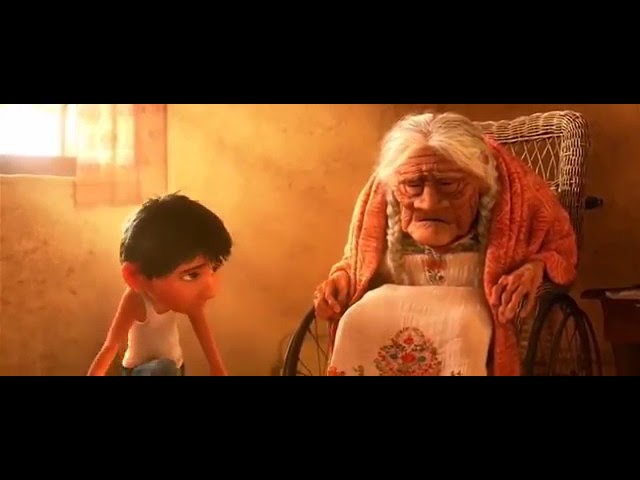
Film is a powerful medium. Many courses exercised it's great potential by pulling our attention to implicit and explicit concepts. Explore these clips and look for: the power of sharing and listening, class and race barriers, boundaries and breakdowns, and cultural awareness and mental models.



Critical analysis, reflection and research makes up the majority of artifactual evidence. Many papers are deeply personal and weighed ethical, spiritual or challenged my personal ethos.
Research and reflection pushes one to challenge what they think, take another perspective and be willing to hear the feedback that comes from the critical review. These documents improved my writing skills, helped me specify my values and clarified language around the theories of organizational leadership practices.
You are invited to explore.
discoveries
A reflective analysis of self-as-change agent with a sustainable action plan.
first among equals
An investigative paper summarizing an interview with a servant-leader-in-training
Dialogic OD method
A brief analysis of the beginnings of understanding Dialogic Organizational Development
healing from within
A reflective paper on the self as servant-leader
Cultivating intersectional land-ownership
babbit's last stand
A critical analysis of conflict, negotiation and the potential for conflict transformation
A literature review analyzing the importance of diversity in our rural settings
Artifacts; accoutrements
I see artifacts as things that support you along the way. I found that artifacts are temporal depending on the circumstances. Sometimes they're books, sometimes they're desk friends, sometimes they're plants that have been traveling with you for years. Here are a few additional artifacts that have supported this Organizational Leadership journey.


music for plants
If you can't tell, I love plants. This Spotify playlist was my go-to for studying and writing papers....and, the plants love it.